Non-Profit Foundation · Cambodia
Bringing the digital world to classrooms where the internet has never reached
- 41+
- Schools equipped
- 12
- Provinces reached
- 9,610+
- Children impacted
Why we started
Some children still learn without ever touching the internet.
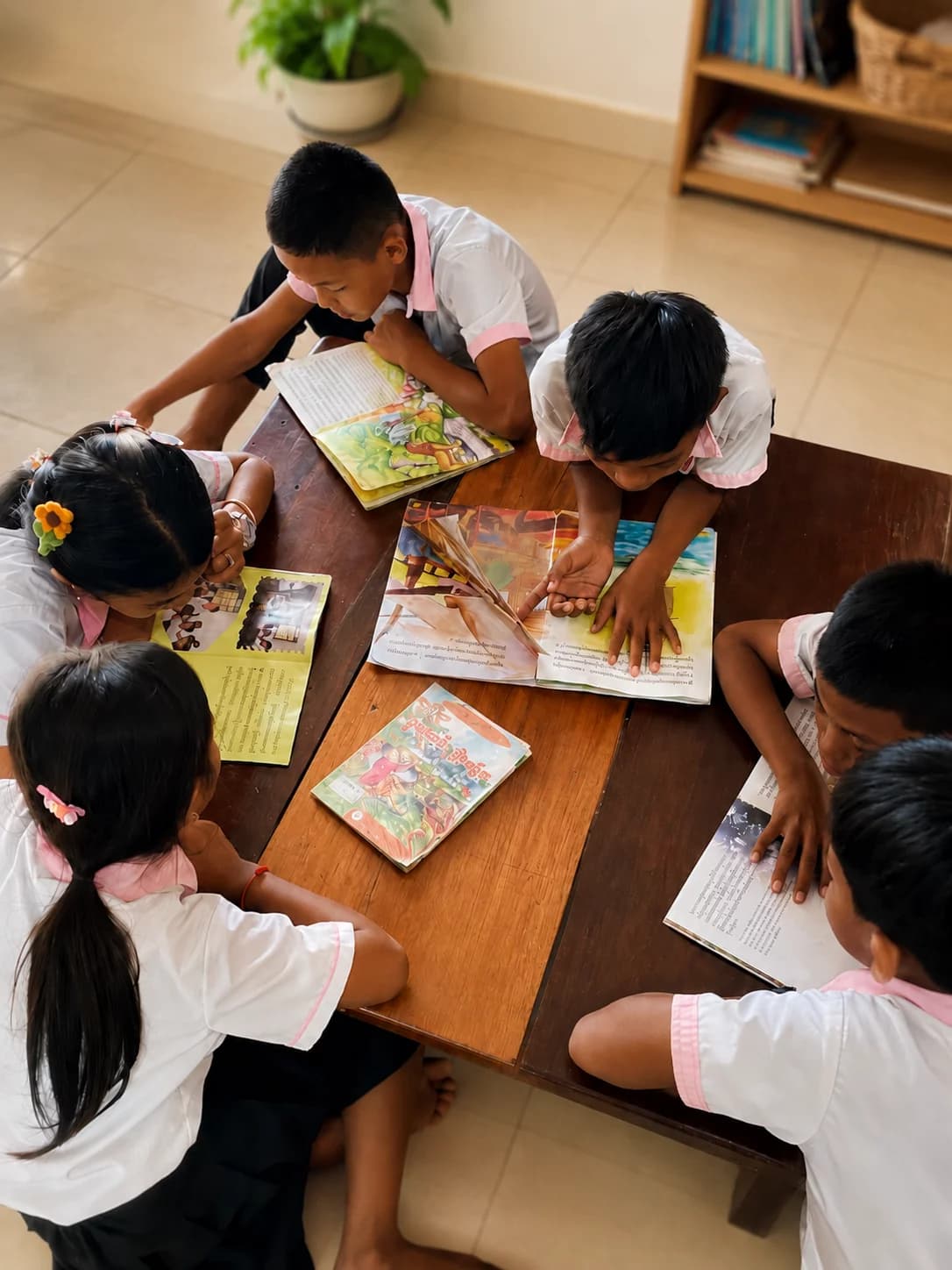
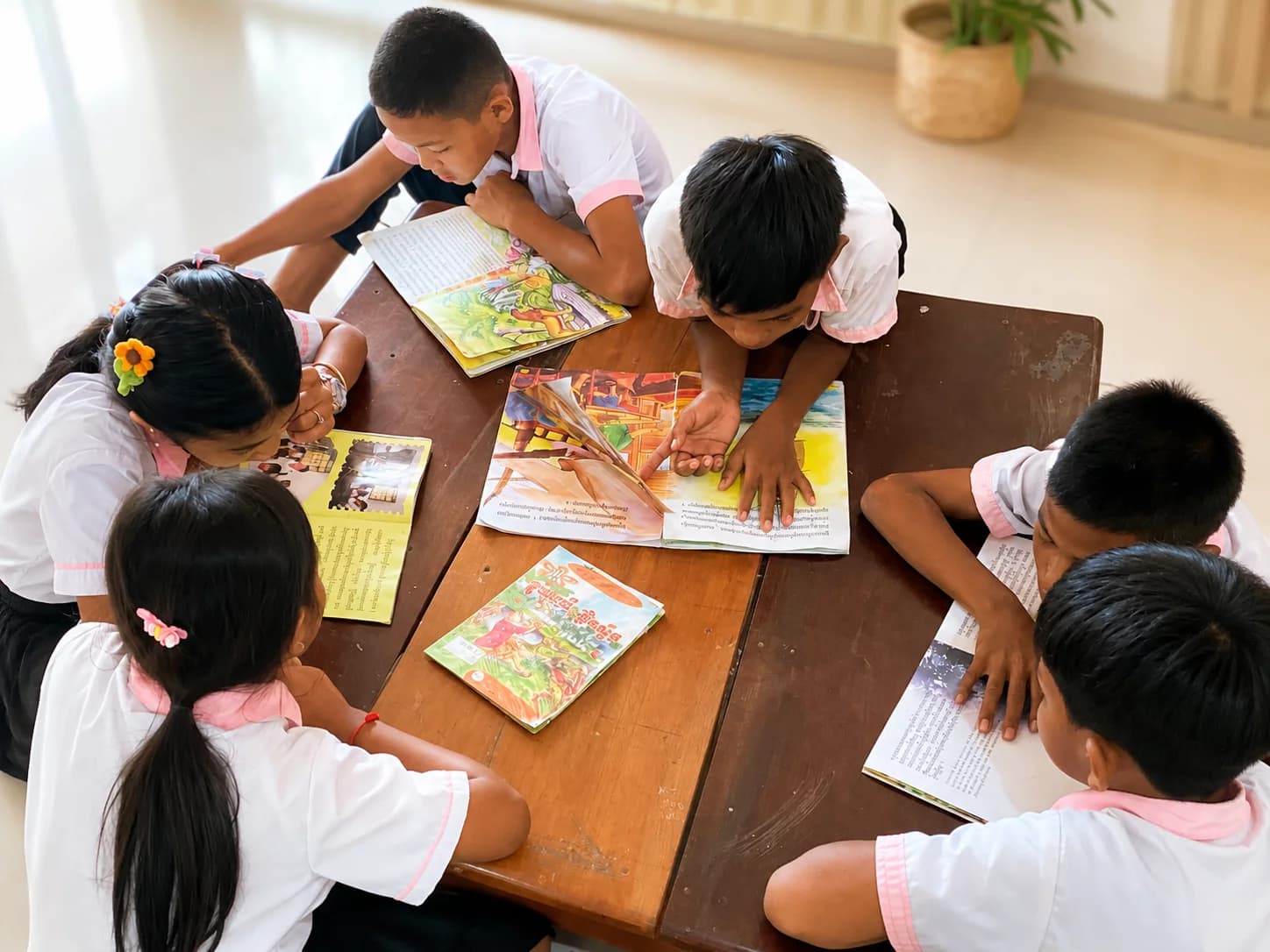
In Cambodia’s remote communities, many schools still lack internet access and digital learning devices, leaving students with limited access to online education, digital resources, and opportunities to learn spoken English.
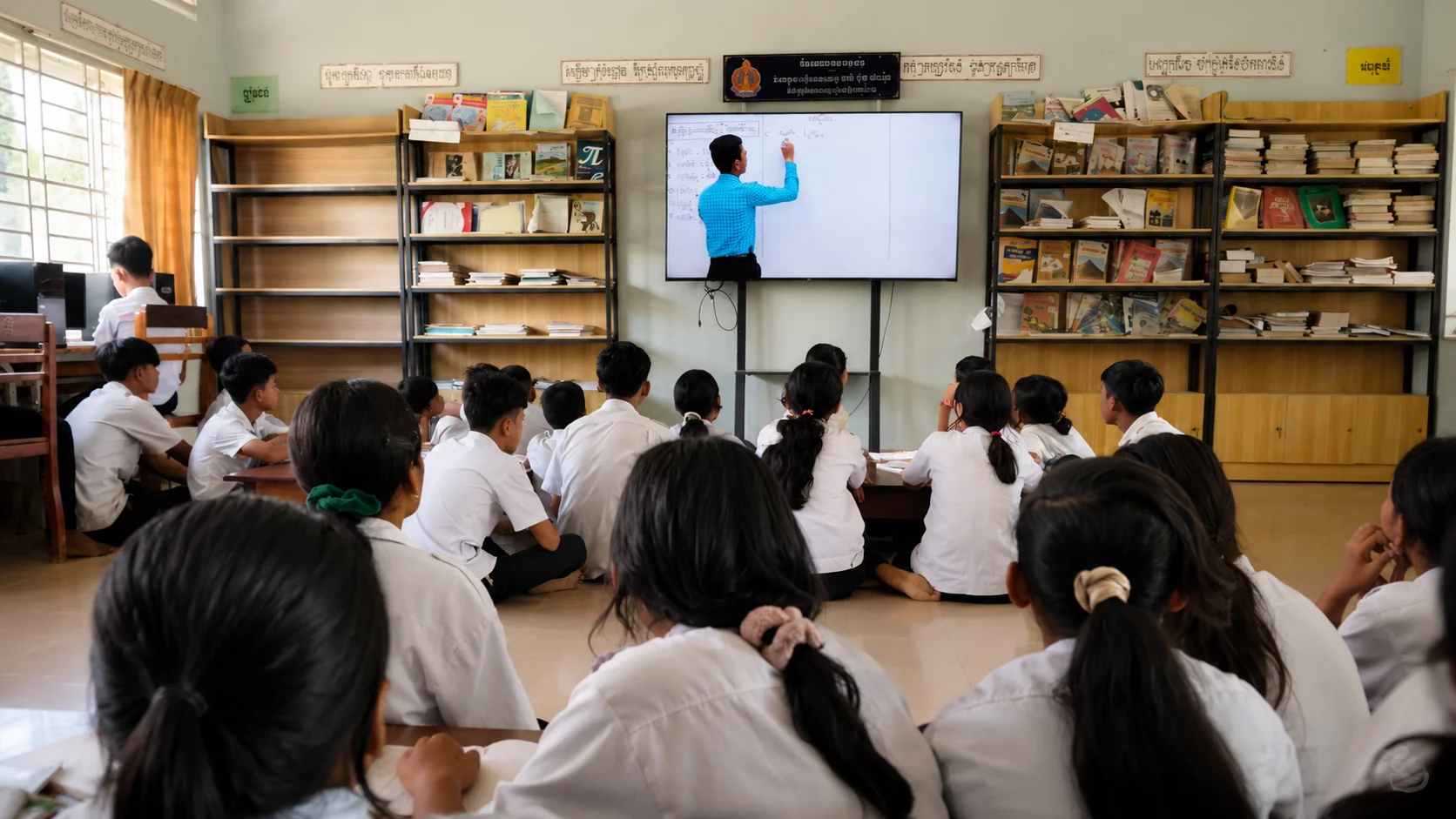
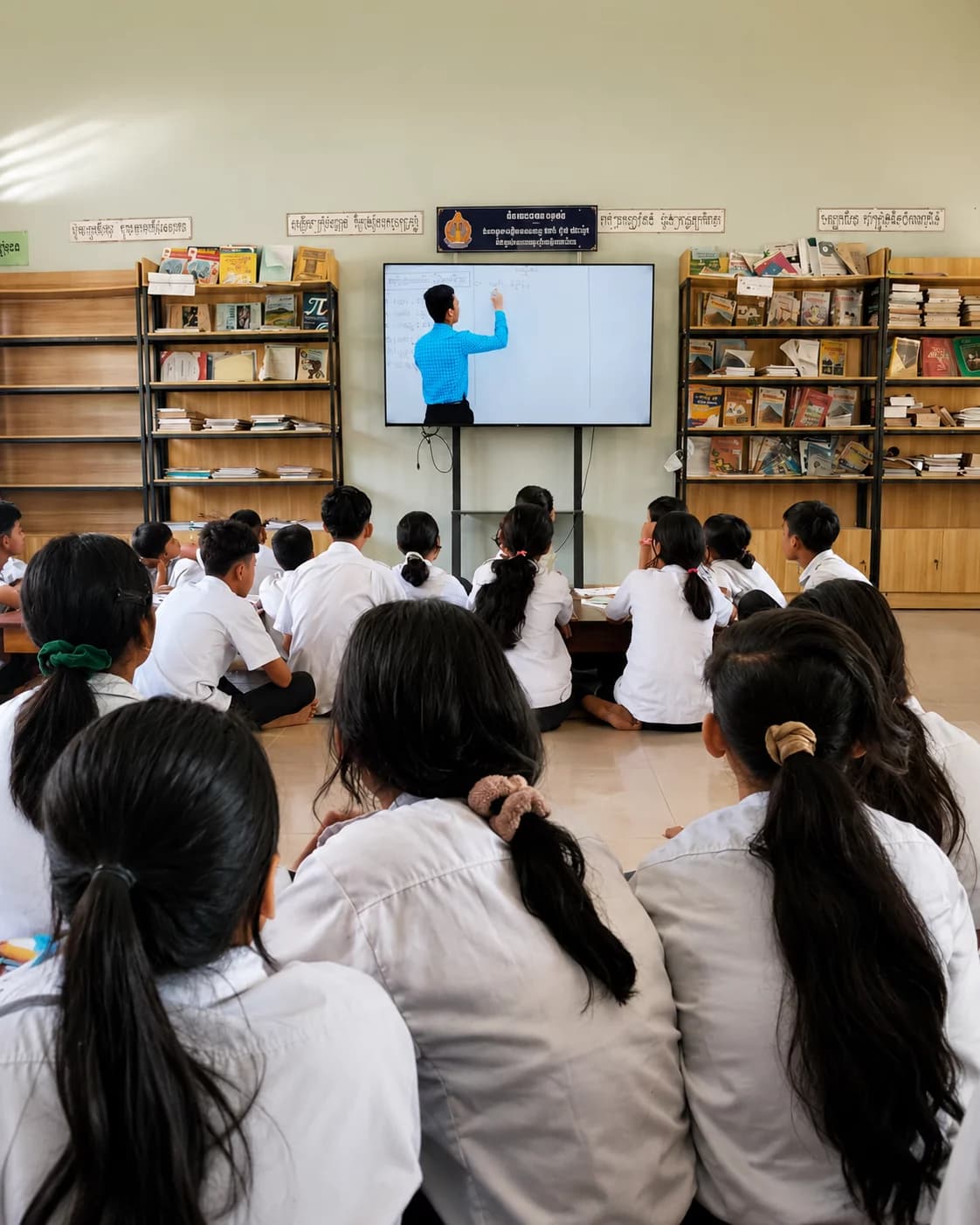
Khmer Khom brings internet-connected televisions into classrooms, opening a window to the digital world for children in remote communities who may have never had access to the internet before. Through these connections, students can explore new knowledge, access educational resources, and experience learning in ways that were previously beyond their reach.
Our reach so far
41+ schools, one classroom at a time.
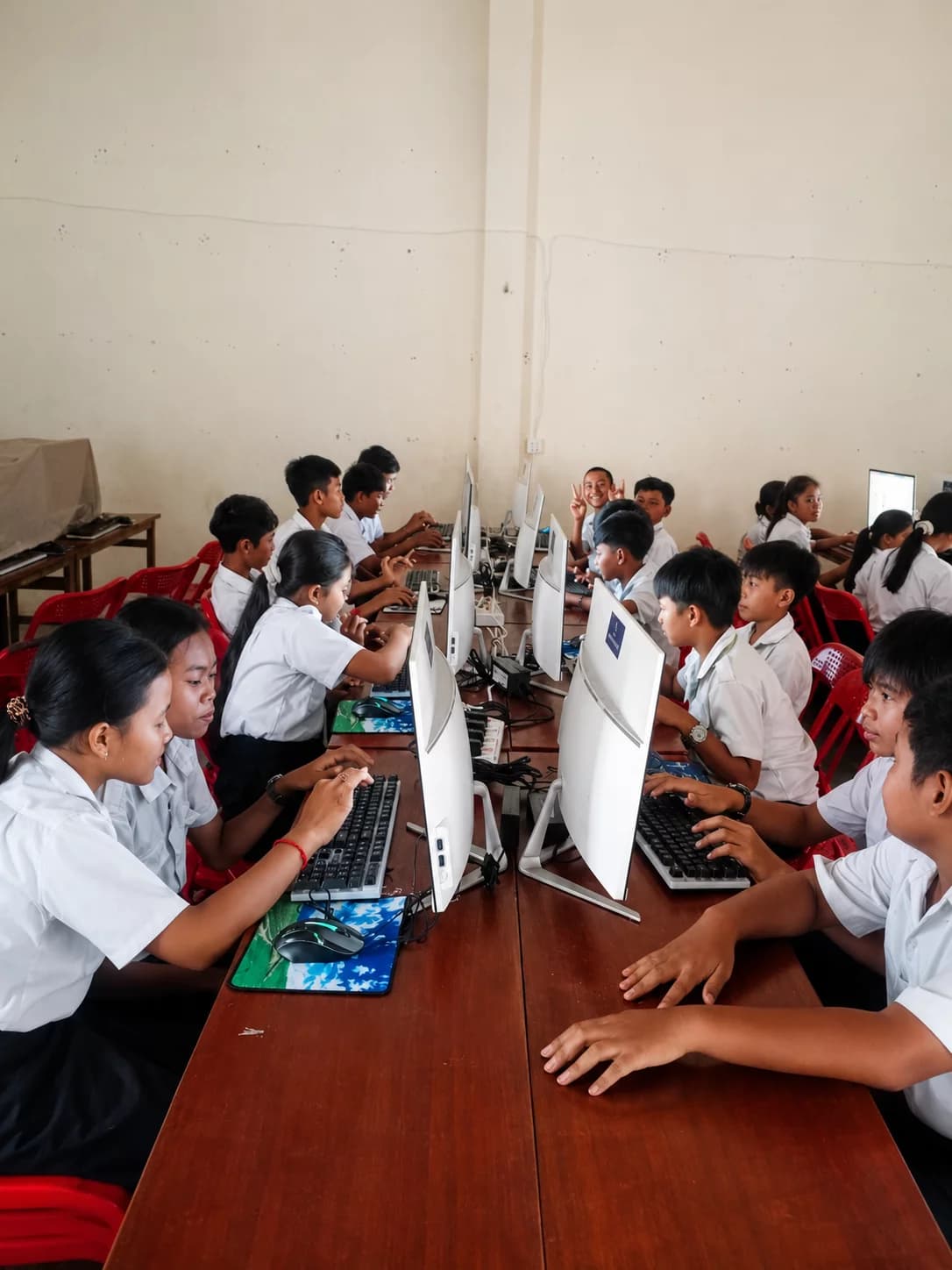
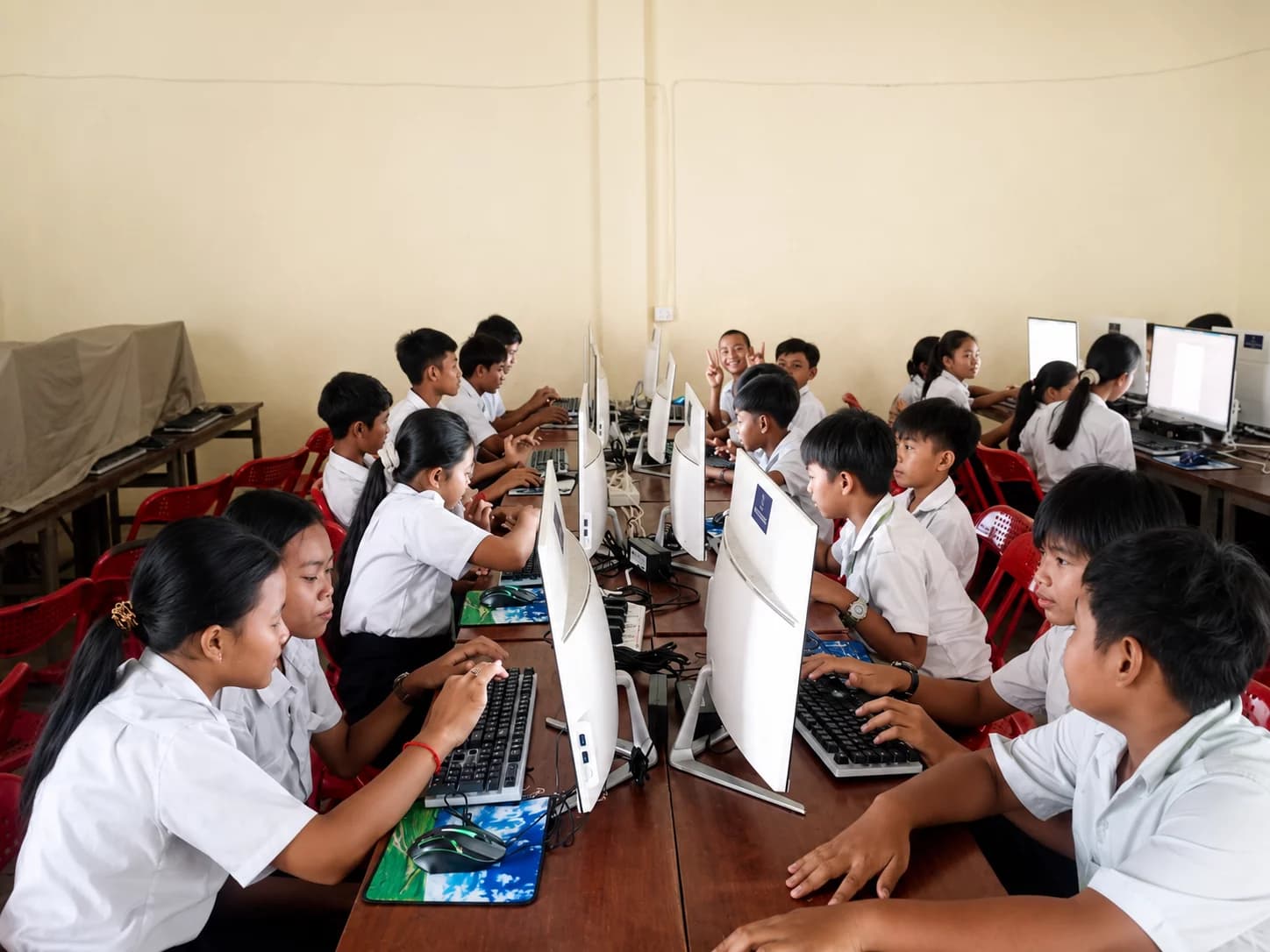
Each installation is the same simple idea repeated carefully: a television, a curated online learning library, and a classroom of children who didn't have either before.
Working alongside others
Credibility built through partnership.
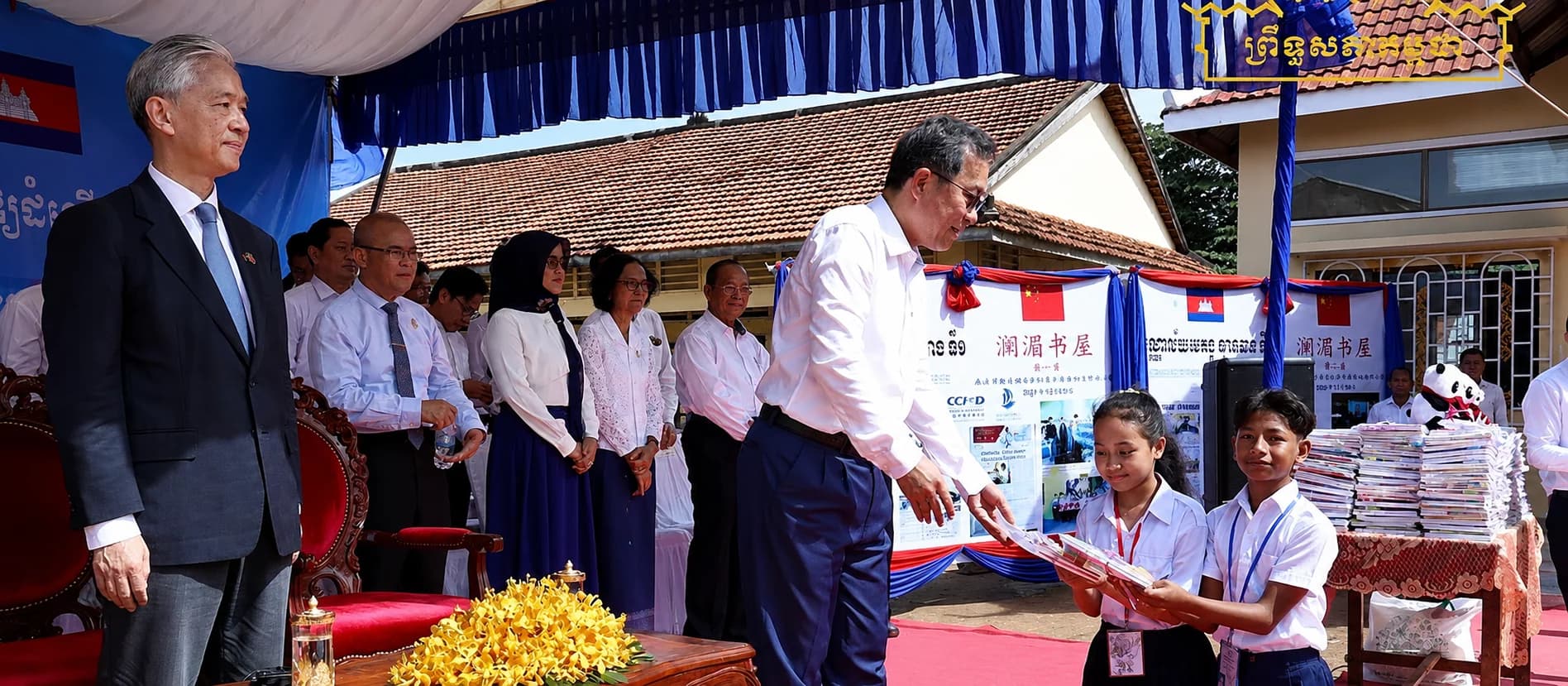
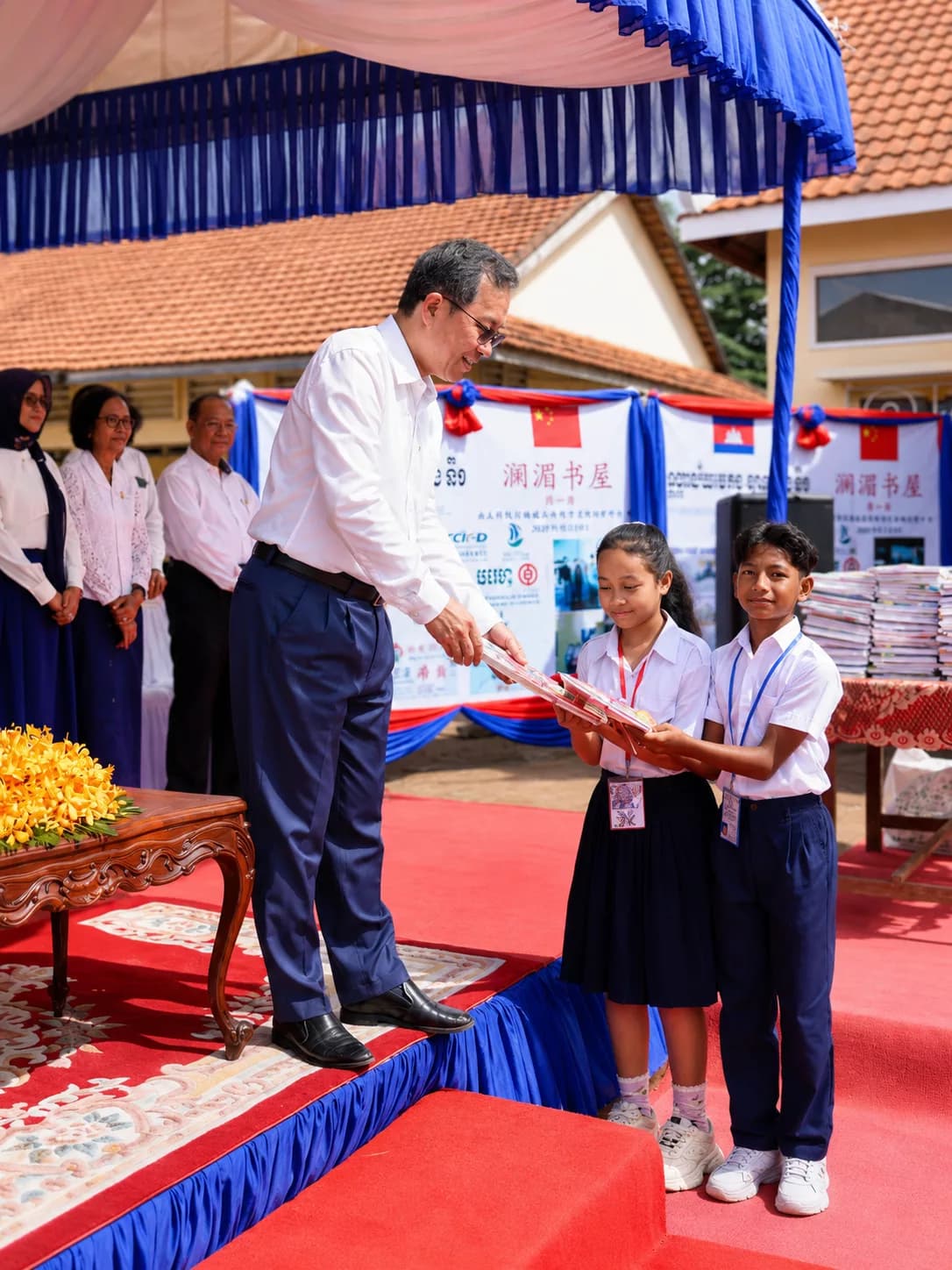
Khmer Khom works closely with local authorities, donor organizations, and international partners to bring meaningful educational opportunities to underserved communities. Through these partnerships, the foundation provides books, learning resources, and educational technology to partner schools, with programs often launched through formal partnership ceremonies and collaborative activities.
Common questions
Frequently asked questions.
What does Khmer Khom do?
Khmer Khom installs internet-connected televisions loaded with curated online learning content directly into classrooms in remote Cambodian schools that have no internet connection, giving children a way to see, hear, and practice spoken English even where internet access has never arrived.
How many schools has Khmer Khom reached?
As of this writing, Khmer Khom has equipped 30+ schools across 6 provinces of Cambodia, reaching over 1,000 children with access to online learning.
What does a TV installation actually include?
Each installation pairs a television with a curated online learning library, set up directly in the classroom so students can start learning English and core subjects immediately — no internet connection required on the school's end.
Who carries out the installations?
Khmer Khom's programs are carried out with the support of local authorities, donor organizations, and international partners, and are typically formalized through handover ceremonies at the receiving school.
How can I get involved with Khmer Khom?
Reach out through Khmer Khom's Facebook page or by email — whether you represent a school, a donor organization, or simply want to learn more about the program.